
Archive for July 2026
Early Repair Saves Money
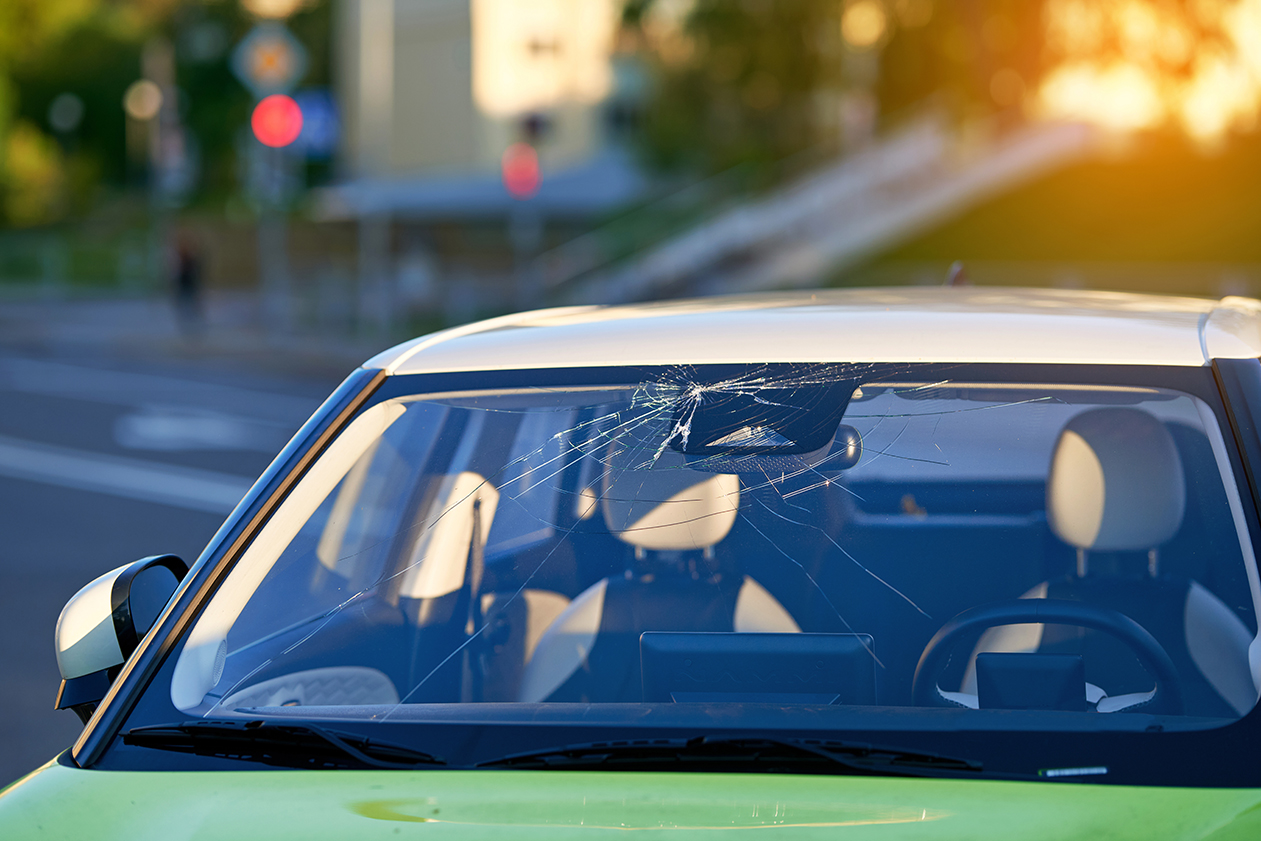
Small Cracks and Chips Add Up Fast
A small windshield chip might seem like a minor annoyance—something you can live with for a few more months. But delaying auto glass repair is one of the most expensive false economies a vehicle owner can make. What starts as a minor crack will grow into a major problem, and the financial consequences ripple across multiple areas of your vehicle’s value and safety.
How Damage Spreads Over Time
Glass damage rarely stays the same size. Temperature fluctuations, road vibrations, and the natural stress of driving cause small cracks to expand rapidly. A chip the size of a quarter can become a crack spanning your entire windshield within weeks. Once damage crosses a certain threshold, repair becomes impossible—your only option is a full glass replacement, which costs significantly more than the early intervention would have.
In Reno and Lake Tahoe, where temperature swings are dramatic, this process accelerates. Frigid winter mornings followed by warmer afternoons put constant pressure on compromised glass, spreading damage faster than in more temperate climates.
Structural Integrity and Vehicle Safety
Your windshield is not just a protective barrier—it’s a critical structural component of your vehicle. In a collision, the windshield helps distribute impact force and supports the roof, preventing it from collapsing inward. A compromised windshield significantly reduces this protective capacity.
Additionally, damaged glass affects your visibility and the function of safety features like lane departure warnings and automatic emergency braking systems, which often rely on cameras mounted near the windshield. Ignoring glass damage puts you and your passengers at greater risk in an accident.
Impact on Resale Value
Visible glass damage is one of the first things potential buyers notice during vehicle inspections. Dealers and private buyers factor auto glass condition into their offers—sometimes heavily. A vehicle with an unrepaired windshield chip or crack signals poor maintenance and raises questions about what other issues might be hidden.
Early glass repair protects your vehicle’s resale value. A windshield repair costs a fraction of what buyers will deduct from their offer if they see unaddressed damage. In a tight resale market, that difference can be hundreds of dollars.
Insurance Costs and Coverage Changes
Some insurance policies increase premiums or reduce coverage for vehicles with structural damage, including windshield issues. Additionally, delaying repairs can complicate your insurance claim if damage worsens. What was once a straightforward repair claim becomes a replacement claim—and some policies have different deductibles or coverage limits for full replacements versus repairs.
Filing a claim promptly for early damage also creates a documented record with your insurer. Waiting until damage is severe leaves you vulnerable to disputes about when the damage actually occurred or whether pre-existing conditions affected the claim.
The Real Cost Comparison
A windshield repair typically costs significantly less than a replacement. Early intervention catches damage before it requires full glass replacement, and repair work is faster and less disruptive to your daily routine. When you factor in avoided resale value loss, potential insurance complications, and the safety risks of compromised glass, the economics of early repair become clear.
Procrastinating on a small chip to save a few dollars now can cost you hundreds—or thousands—in replacement expenses, devalued resale price, and compromised vehicle safety down the line.
Get Your Glass Inspected Today
If you’ve noticed any chips, cracks, or damage to your windshield or other auto glass, don’t wait for the problem to grow. Early assessment and repair protects your investment, keeps you and your passengers safe, and saves you money in the long run.
Remember Early Repair Saves Money!
Call (775) 786-4404 or visit our contact page
Auto Glass Tinting Laws in Nevada

Nevada’s Auto Glass Tinting Regulations
If you’re considering tinting your vehicle’s windows or you’ve recently received a citation for illegal tint, understanding Nevada’s tinting laws is essential. Nevada has specific regulations governing how dark window tinting can be, and these rules exist to balance driver safety, visibility, and legal compliance.
Nevada law defines tinting darkness by Visible Light Transmission (VLT)—the percentage of light allowed to pass through the glass. Here’s what Nevada permits:
- Windshield: No tinting allowed on the main driving area. A non-reflective strip (not more than 4 inches) may be applied to the top of the windshield only.
- Front side windows: Must allow at least 70% of light to pass through (no darker than 30% VLT).
- Rear and back side windows: No specific VLT limit; darker tint is permitted.
Medical exemptions are available for drivers with documented light-sensitive conditions, but these require special permits and must be clearly displayed. It’s important to verify current regulations with the Nevada Department of Motor Vehicles, as laws can change.
Why These Laws Exist: Safety and Visibility
Tinting laws aren’t arbitrary restrictions—they’re based on safety considerations. Law enforcement relies on being able to see into vehicles during traffic stops. Emergency responders need visibility to assess occupant injuries after collisions. Excessively dark front windows can impair your own vision, particularly at night or in low-light conditions, increasing accident risk.
Proper windshield and front-window visibility is critical for defensive driving. When front windows are too dark, you lose the ability to make quick decisions based on road conditions, pedestrian movement, and other vehicles. This directly impacts your safety and that of others sharing the road.
That said, moderate tinting on rear windows offers legitimate benefits: UV protection for passengers, reduced interior heat buildup, and glare reduction—all without compromising front visibility or legal compliance.
The Consequences of Non-Compliance
Driving with illegally tinted windows in Nevada can result in a traffic citation, fines, and a requirement to remove the tint. A violation is typically considered a minor offense, but repeated infractions can accumulate on your driving record. More importantly, if you’re involved in an accident or a serious traffic stop, illegal tint can complicate interactions with law enforcement and may affect insurance claims.
Removing illegal tint isn’t always straightforward—some tints are difficult to peel off cleanly, and improper removal can damage the glass. This is where professional auto glass services become valuable.
Professional Glass Expertise and Local Compliance
If you have illegally tinted windows and need removal, or if you’re unsure whether your current tint meets Nevada standards, professional auto glass specialists can help. At Z1 Glass, we understand Nevada’s tinting regulations and can assess your vehicle’s current glass setup for compliance. While we don’t offer tinting installation, we’re knowledgeable about what’s legal and safe in our region.
Our team serves both Reno and Lake Tahoe vehicle owners and can address questions about your glass configuration. If you’ve received a citation for tint or are uncertain about your windows’ legal status, consulting with a local glass expert before making changes is a smart step.
Beyond tinting questions, proper auto glass maintenance—including windshield repair and inspection—is essential for safety and legal compliance. Cracks, chips, and damage can obstruct visibility and may also result in traffic violations if severe enough.
Moving Forward: Make an Informed Choice
Whether you’re considering tinting for the first time or dealing with a tint-related issue, the key is making an informed decision based on Nevada law and your vehicle’s safety needs. Darker windows may look stylish, but they come with legal and safety tradeoffs.
If you have questions about your vehicle’s glass and compliance, or if you need professional auto glass repair or inspection, Z1 Glass is here to help. We’re conveniently located to serve Reno and Lake Tahoe, and we can provide guidance on keeping your vehicle safe and road-legal.