
Advice
Insurance Claims for Auto Glass Damage: A Reno Driver’s Guide
Understanding Comprehensive Coverage for Auto Glass
If you’ve experienced windshield or auto glass damage in Reno or Lake Tahoe, your first question is likely about cost. The good news: most Nevada drivers have comprehensive coverage that includes glass damage. Comprehensive insurance covers collisions with objects (like flying debris or hail), theft, vandalism, and weather-related damage—all common culprits behind auto glass claims.
Comprehensive coverage is separate from collision and liability insurance. While it’s not required by Nevada law, most lenders and leasing companies require it as a condition of financing or leasing your vehicle. If you’re unsure whether your policy includes comprehensive coverage, contact your insurance agent directly—they can clarify your exact benefits in minutes.
How the Auto Glass Claims Process Works
Filing an insurance claim for windshield or auto glass damage is straightforward. Here’s what to expect:
- Contact your insurance company as soon as damage occurs. Have your policy number and vehicle information ready. They’ll ask how the damage happened and whether anyone was injured.
- Document the damage with clear photos from multiple angles. This visual evidence supports your claim and speeds up processing.
- Obtain a repair estimate from a qualified auto glass provider. Many insurers have preferred vendors, but you generally have the right to choose your own.
- Submit your claim with documentation. Your insurance company will approve it, deny it, or request additional information—this typically takes a few business days.
- Schedule your repair or replacement once your claim is approved. You’ll pay your deductible at the time of service; your insurer covers the rest.
Deductibles and Out-of-Pocket Costs
Your deductible is the amount you pay toward a claim before insurance coverage kicks in. For comprehensive claims in Nevada, deductibles typically range from $100 to $1,000, depending on your policy. Some policies offer zero-deductible glass coverage—a valuable perk if you have it.
To find your exact deductible, check your insurance policy documents or call your agent. Once you know this number, you’ll know your out-of-pocket cost upfront. This makes budgeting predictable and removes guesswork when you’re ready to schedule a repair.
Z1 Glass as Your Local Partner in the Claims Process
Navigating insurance claims can feel overwhelming, especially if you’re managing damage on top of a busy schedule. That’s where a trusted local provider like Z1 Glass makes a difference. Our team in Reno and Lake Tahoe is experienced in working with insurance companies and understands Nevada’s specific coverage landscape.
Here’s how we support you:
- Professional documentation: We photograph and document damage in a way that insurance companies recognize and accept, reducing claim delays.
- Direct insurance billing: We can bill your insurance company directly for approved claims. You simply pay your deductible—we handle the rest of the paperwork.
- Accurate estimates: Our detailed repair and replacement estimates give your insurer the information they need to approve your claim quickly.
- Local expertise: We know the insurance requirements and preferences of carriers serving Reno and Lake Tahoe, which helps streamline approvals.
Tips to Streamline Your Claim
To make your auto glass insurance claim as smooth as possible, keep these steps in mind. File your claim promptly—don’t wait weeks or months after damage occurs. The sooner your insurer documents the damage, the easier it is to process. Be honest and detailed when describing how the damage happened; vague explanations can slow approvals.
When obtaining an estimate, mention your insurance company and claim number to your service provider. This helps align the repair scope and cost with what your insurer expects to cover. If your claim is denied, ask your insurance company for a written explanation—policies vary, and there may be steps to appeal.
Finally, keep all receipts, estimate copies, and claim correspondence in one folder. This documentation protects you if questions arise later and is helpful for future reference if you file another claim.
Auto glass damage doesn’t have to drain your wallet. By understanding your comprehensive coverage, following the claims process, and working with an experienced local provider like Z1 Glass, you can repair or replace your windshield or auto glass quickly and affordably. When you’re ready to move forward with your claim, our team is here to help with documentation, direct billing, and professional service.
Visit our contact page or call 775-786-4404
Spontaneous Windshield Cracks

Understanding Spontaneous Windshield Cracks
You wake up, walk to your car, and discover a crack across your windshield—yet you didn’t hit anything. This frustrating scenario is more common than you might think, especially in Reno and Lake Tahoe where temperature swings and mountain driving conditions create the perfect storm for glass damage. Understanding what causes these seemingly spontaneous cracks can help you protect your vehicle and avoid costly repairs.
Thermal Stress: The Primary Culprit
One of the most common causes of sudden windshield cracks is thermal stress. Modern windshields are engineered to handle temperature changes, but extreme or rapid fluctuations can exceed the glass’s tolerance. In the Reno and Lake Tahoe region, where mornings can be subfreezing and afternoons warm significantly, this stress is particularly acute.
When your windshield heats up quickly—say, from running the defroster on a cold morning or parking in winter sun—the outer glass expands faster than the inner layer. Conversely, sudden cooling from rain on a hot windshield creates the opposite effect. If the glass already has a microscopic flaw or weakness, thermal stress can trigger a crack that seems to appear from nowhere.
Road Debris and Impact Damage
Not all “spontaneous” cracks are truly spontaneous. Road debris—gravel, rocks kicked up by other vehicles, or small projectiles from truck beds—can strike your windshield at highway speeds with enough force to cause immediate cracking. The damage may happen so quickly you don’t notice the impact, yet the crack spreads visibly hours or days later as thermal stress compounds the initial chip.
Mountain highways and rural roads around Lake Tahoe are particularly prone to loose gravel and debris, making this a real risk for local drivers.
Occasionally, windshields leave the factory with internal flaws—air bubbles, inconsistent glass density, or stress points in the laminate layers. These defects may not be visible to the naked eye but can cause the glass to fail under normal driving or thermal conditions. If your windshield cracks without clear cause, a manufacturing defect is worth investigating, especially if the vehicle is relatively new.
Beyond thermal shock, other environmental conditions contribute to windshield vulnerability. UV exposure degrades the resin binding the glass layers, making older windshields more susceptible to cracking. Heavy snow loads in winter can place indirect stress on the glass structure. Even altitude and barometric pressure changes—relevant in the higher elevations around Lake Tahoe—can theoretically stress glass over time.
Tips for Reno and Lake Tahoe Drivers
Avoid extreme temperature changes. Don’t direct hot defroster air directly at a cold windshield. Instead, start on low and gradually increase heat. In summer, park in shade or use a sunshade to reduce afternoon heating.
Keep your windshield clean and inspected. Dirt and salt can trap moisture and weaken the glass seal. Regular washing and inspection help you spot small chips before they become cracks.
Maintain safe following distances. Staying well behind other vehicles reduces the risk of road debris impact, especially on gravel roads or during winter driving.
Check your windshield regularly for damage. Small chips are far cheaper to repair than full replacements. Caught early, many repairs cost less than your insurance deductible.
Early Inspection Matters
Even if a crack hasn’t appeared, chips and small damage reduce your windshield’s structural integrity. The mountain weather swings in our region mean thermal stress will continue to attack weakened glass. A professional inspection—available at Z1 Glass—can identify damage invisible to the casual eye and prevent expensive emergency repairs down the road.
If you’ve noticed any glass damage, don’t wait for a small problem to become a safety hazard. Early repair is always more affordable than replacement and keeps your vehicle’s structural integrity intact.
Visit our contact page.
Auto Glass Insurance Coverage in Nevada

What Does Auto Glass Coverage Actually Mean?
If you have comprehensive or full-coverage auto insurance in Nevada, you likely have protection for glass damage—but the specifics can be confusing. Auto glass coverage typically falls under your comprehensive policy, which protects against non-collision damage like theft, weather, and road hazards. Understanding what your policy covers is the first step to minimizing out-of-pocket costs when your windshield or windows need repair or replacement.
Nevada insurance companies are required to follow state regulations around coverage clarity, but policies still vary widely. Knowing the difference between what your insurer pays and what you’re responsible for can save you money and stress.
Deductibles and How They Work
Your deductible is the amount you pay out of pocket before your insurance kicks in. For example, if your policy has a $500 deductible and your windshield repair costs $350, you’ll pay the full $350 yourself. If the repair costs $600, you pay $500 and your insurance covers $100.
Many Nevada drivers don’t realize they can choose their deductible amount when they purchase or renew their policy. A higher deductible (like $1,000) typically means lower monthly premiums, while a lower deductible (like $250) means higher premiums but less out-of-pocket expense if damage occurs. For drivers in the Reno and Lake Tahoe areas, where weather and road conditions can be harsh, evaluating your deductible choice is worth doing annually.
Some insurers offer glass-specific deductibles that are separate from your collision deductible—and these are often lower or even waived. Check your policy documents or contact your insurer directly to confirm whether you have a dedicated glass deductible.
Coverage Limits and What They Mean
Coverage limits are the maximum amount your insurance will pay for a claim. For auto glass, this might be listed as a per-incident limit or an annual limit. If your limit is $1,500 and your windshield replacement costs $1,200, the insurer covers it in full (minus your deductible). If a second glass claim happens the same year and costs $400, your insurer may deny it or pay only the remaining balance of your annual limit.
Reviewing your coverage limits when you renew your policy ensures they align with realistic repair and replacement costs in your area. Z1 Glass can provide you with a detailed repair estimate, which you can use to assess whether your coverage limits are adequate.
How Z1 Glass Works with Your Insurance
At Z1 Glass, we understand Nevada insurance policies and the claim process. When you schedule an appointment, our team can help you navigate your coverage by:
- Providing a detailed written estimate that your insurer can review
- Answering questions about whether repair or replacement is the best option for your situation
- Explaining what costs insurance typically covers versus what’s your responsibility
- Working with your insurance company to streamline approvals (many insurers pre-authorize repairs when estimates meet their standards)
We don’t file claims on your behalf—your insurer requires you to initiate that—but we can provide all the documentation they need to process your claim quickly and accurately.
Repair Versus Replacement Coverage
Nevada insurers often cover windshield repair (for small chips or cracks) at 100% with no deductible, since repair is cheaper and faster than replacement. Full replacements typically require you to pay your deductible. If you’re unsure whether your damage qualifies for repair, bring it to Z1 Glass for a free assessment. Catching damage early and repairing rather than replacing also helps you preserve your vehicle’s structural integrity and safety ratings.
Tips for Maximizing Your Coverage
Keep your policy documents handy and review them before damage occurs. Know your deductible and coverage limits. If you’re unsure whether a claim is worth filing (especially if repair costs are close to your deductible), our team at Z1 Glass can help you make an informed decision. Always get a written estimate before authorizing work, and don’t hesitate to ask your insurer questions—they’re required to explain your coverage clearly under Nevada law.
Ready to talk? Visit our contact page.
Early Repair Saves Money
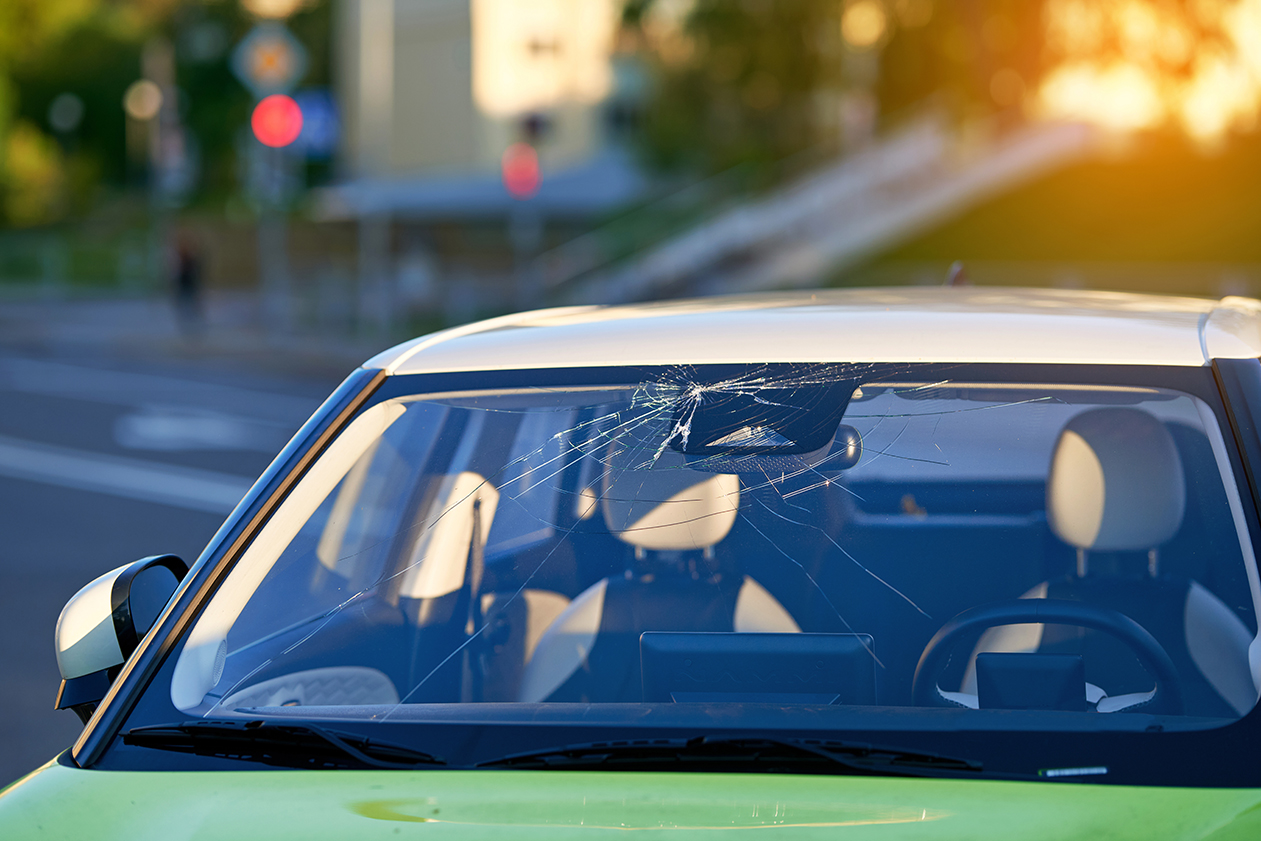
Small Cracks and Chips Add Up Fast
A small windshield chip might seem like a minor annoyance—something you can live with for a few more months. But delaying auto glass repair is one of the most expensive false economies a vehicle owner can make. What starts as a minor crack will grow into a major problem, and the financial consequences ripple across multiple areas of your vehicle’s value and safety.
How Damage Spreads Over Time
Glass damage rarely stays the same size. Temperature fluctuations, road vibrations, and the natural stress of driving cause small cracks to expand rapidly. A chip the size of a quarter can become a crack spanning your entire windshield within weeks. Once damage crosses a certain threshold, repair becomes impossible—your only option is a full glass replacement, which costs significantly more than the early intervention would have.
In Reno and Lake Tahoe, where temperature swings are dramatic, this process accelerates. Frigid winter mornings followed by warmer afternoons put constant pressure on compromised glass, spreading damage faster than in more temperate climates.
Structural Integrity and Vehicle Safety
Your windshield is not just a protective barrier—it’s a critical structural component of your vehicle. In a collision, the windshield helps distribute impact force and supports the roof, preventing it from collapsing inward. A compromised windshield significantly reduces this protective capacity.
Additionally, damaged glass affects your visibility and the function of safety features like lane departure warnings and automatic emergency braking systems, which often rely on cameras mounted near the windshield. Ignoring glass damage puts you and your passengers at greater risk in an accident.
Impact on Resale Value
Visible glass damage is one of the first things potential buyers notice during vehicle inspections. Dealers and private buyers factor auto glass condition into their offers—sometimes heavily. A vehicle with an unrepaired windshield chip or crack signals poor maintenance and raises questions about what other issues might be hidden.
Early glass repair protects your vehicle’s resale value. A windshield repair costs a fraction of what buyers will deduct from their offer if they see unaddressed damage. In a tight resale market, that difference can be hundreds of dollars.
Insurance Costs and Coverage Changes
Some insurance policies increase premiums or reduce coverage for vehicles with structural damage, including windshield issues. Additionally, delaying repairs can complicate your insurance claim if damage worsens. What was once a straightforward repair claim becomes a replacement claim—and some policies have different deductibles or coverage limits for full replacements versus repairs.
Filing a claim promptly for early damage also creates a documented record with your insurer. Waiting until damage is severe leaves you vulnerable to disputes about when the damage actually occurred or whether pre-existing conditions affected the claim.
The Real Cost Comparison
A windshield repair typically costs significantly less than a replacement. Early intervention catches damage before it requires full glass replacement, and repair work is faster and less disruptive to your daily routine. When you factor in avoided resale value loss, potential insurance complications, and the safety risks of compromised glass, the economics of early repair become clear.
Procrastinating on a small chip to save a few dollars now can cost you hundreds—or thousands—in replacement expenses, devalued resale price, and compromised vehicle safety down the line.
Get Your Glass Inspected Today
If you’ve noticed any chips, cracks, or damage to your windshield or other auto glass, don’t wait for the problem to grow. Early assessment and repair protects your investment, keeps you and your passengers safe, and saves you money in the long run.
Remember Early Repair Saves Money!
Call (775) 786-4404 or visit our contact page
Auto Glass Tinting Laws in Nevada

Nevada’s Auto Glass Tinting Regulations
If you’re considering tinting your vehicle’s windows or you’ve recently received a citation for illegal tint, understanding Nevada’s tinting laws is essential. Nevada has specific regulations governing how dark window tinting can be, and these rules exist to balance driver safety, visibility, and legal compliance.
Nevada law defines tinting darkness by Visible Light Transmission (VLT)—the percentage of light allowed to pass through the glass. Here’s what Nevada permits:
- Windshield: No tinting allowed on the main driving area. A non-reflective strip (not more than 4 inches) may be applied to the top of the windshield only.
- Front side windows: Must allow at least 70% of light to pass through (no darker than 30% VLT).
- Rear and back side windows: No specific VLT limit; darker tint is permitted.
Medical exemptions are available for drivers with documented light-sensitive conditions, but these require special permits and must be clearly displayed. It’s important to verify current regulations with the Nevada Department of Motor Vehicles, as laws can change.
Why These Laws Exist: Safety and Visibility
Tinting laws aren’t arbitrary restrictions—they’re based on safety considerations. Law enforcement relies on being able to see into vehicles during traffic stops. Emergency responders need visibility to assess occupant injuries after collisions. Excessively dark front windows can impair your own vision, particularly at night or in low-light conditions, increasing accident risk.
Proper windshield and front-window visibility is critical for defensive driving. When front windows are too dark, you lose the ability to make quick decisions based on road conditions, pedestrian movement, and other vehicles. This directly impacts your safety and that of others sharing the road.
That said, moderate tinting on rear windows offers legitimate benefits: UV protection for passengers, reduced interior heat buildup, and glare reduction—all without compromising front visibility or legal compliance.
The Consequences of Non-Compliance
Driving with illegally tinted windows in Nevada can result in a traffic citation, fines, and a requirement to remove the tint. A violation is typically considered a minor offense, but repeated infractions can accumulate on your driving record. More importantly, if you’re involved in an accident or a serious traffic stop, illegal tint can complicate interactions with law enforcement and may affect insurance claims.
Removing illegal tint isn’t always straightforward—some tints are difficult to peel off cleanly, and improper removal can damage the glass. This is where professional auto glass services become valuable.
Professional Glass Expertise and Local Compliance
If you have illegally tinted windows and need removal, or if you’re unsure whether your current tint meets Nevada standards, professional auto glass specialists can help. At Z1 Glass, we understand Nevada’s tinting regulations and can assess your vehicle’s current glass setup for compliance. While we don’t offer tinting installation, we’re knowledgeable about what’s legal and safe in our region.
Our team serves both Reno and Lake Tahoe vehicle owners and can address questions about your glass configuration. If you’ve received a citation for tint or are uncertain about your windows’ legal status, consulting with a local glass expert before making changes is a smart step.
Beyond tinting questions, proper auto glass maintenance—including windshield repair and inspection—is essential for safety and legal compliance. Cracks, chips, and damage can obstruct visibility and may also result in traffic violations if severe enough.
Moving Forward: Make an Informed Choice
Whether you’re considering tinting for the first time or dealing with a tint-related issue, the key is making an informed decision based on Nevada law and your vehicle’s safety needs. Darker windows may look stylish, but they come with legal and safety tradeoffs.
If you have questions about your vehicle’s glass and compliance, or if you need professional auto glass repair or inspection, Z1 Glass is here to help. We’re conveniently located to serve Reno and Lake Tahoe, and we can provide guidance on keeping your vehicle safe and road-legal.
How Weather Affects Auto Glass: Preparing Your Vehicle for Reno Winters
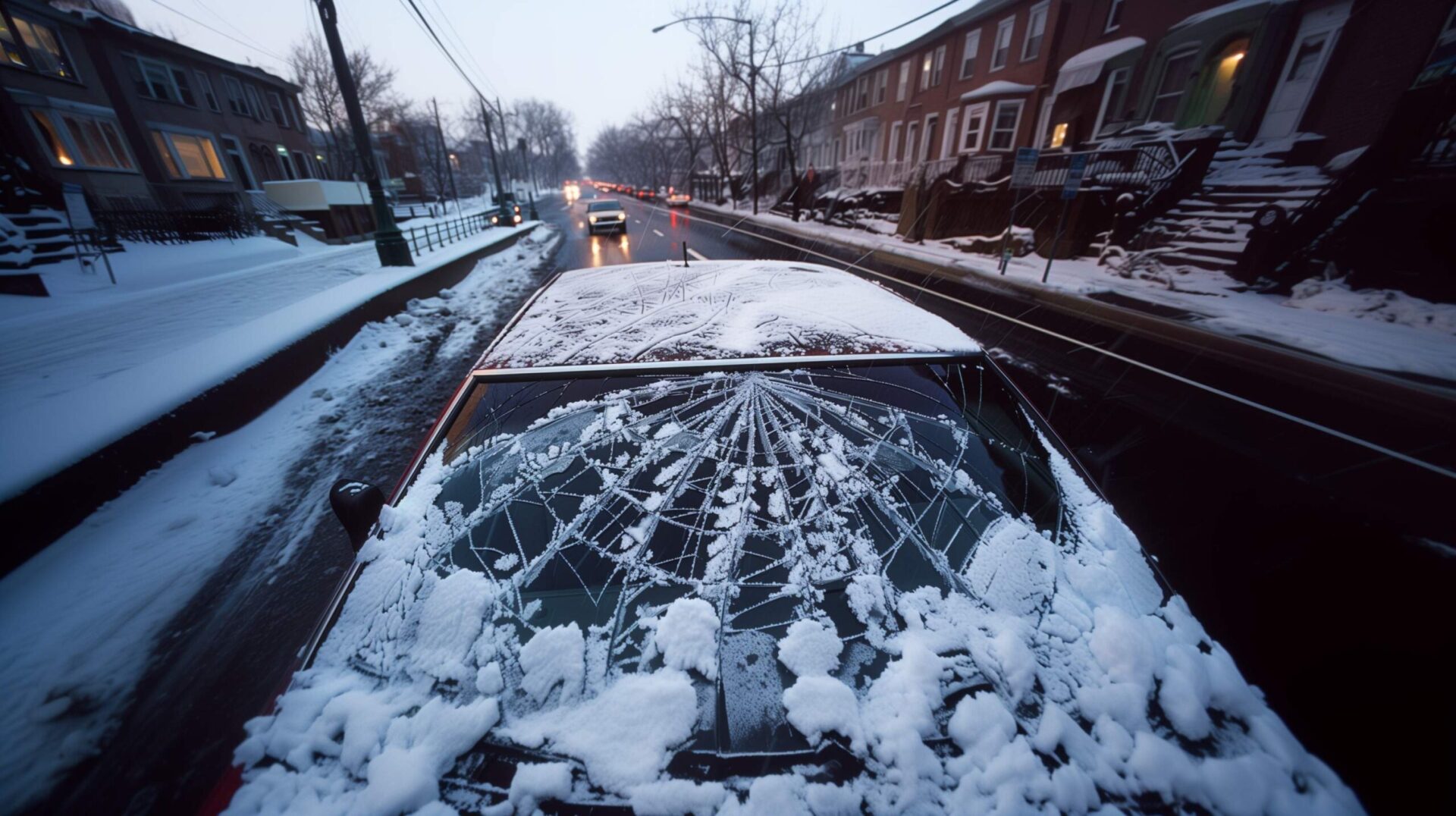
Understanding Thermal Stress on Auto Glass
Winter in the Reno and Lake Tahoe region brings spectacular scenery—and significant challenges for your vehicle’s auto glass. Temperature swings from below-freezing mornings to warmer afternoons create thermal stress that most vehicle owners overlook until cracks appear. Understanding how weather impacts your windshield and windows is the first step toward protecting your investment.
Auto glass is designed to be durable, but it’s not immune to the laws of physics. When temperatures drop rapidly, the outer surface of your glass contracts faster than the inner layers, creating internal tension. Conversely, when you blast your defroster on a cold morning, the uneven heating can trigger the same stress. Even tiny imperfections or existing chips become fracture points under these conditions.
Winter-Specific Damage Risks in Mountain Climates
Lake Tahoe and the surrounding mountain areas experience some of Nevada’s most extreme weather swings. Here’s what makes winter particularly hard on auto glass:
- Rapid temperature fluctuations: Mountain weather can shift 30+ degrees in hours, amplifying thermal stress on glass.
- Ice and snow accumulation: Heavy snow and ice loads press against windows and windshields, increasing pressure on already-stressed glass.
- Road salt and debris: Winter maintenance materials can lodge in chips and cracks, accelerating damage as they expand and contract with temperature changes.
- Reduced visibility hazards: A cracked or compromised windshield is especially dangerous on mountain roads where clear sight lines are critical.
Small chips that seem harmless in fall can become major cracks by January. The freeze-thaw cycle is relentless, and mountain elevations intensify the effect.
How to Protect Your Auto Glass Before Winter Arrives
Inspect your glass now. Before temperatures drop, have your windshield and windows inspected by a professional. Tiny chips or cracks you can barely see are winter-damage waiting to happen. Z1 Glass can identify vulnerabilities and address them before they worsen.
Address existing damage immediately. If you already have a chip or crack, windshield repair is far more cost-effective than replacement—and winter is the worst time to be without a functioning vehicle in the mountains. Resin fills small damage quickly and reinforces glass against thermal stress.
Use proper defroster technique. Tempting as it is to crank the heat on a freezing morning, gradual heating is gentler on glass. Use low-to-medium settings initially, then increase as the glass warms. This simple habit reduces crack risk significantly.
Clear ice and snow safely. Never pour hot water on frozen glass—the thermal shock invites cracks. Use a plastic scraper and allow your defroster time to work. If ice is thick, let your vehicle warm up longer before clearing.
Park strategically. Whenever possible, park in a garage or under cover during storms. Sun exposure helps too—parking in daylight allows natural warmth to reduce thermal stress.
Winter Maintenance for Mountain Living
Living in or frequently traveling to Lake Tahoe and the Reno area means accepting winter as part of your driving reality. Weatherproofing your auto glass is part of responsible vehicle ownership:
- Check windshield wipers and replace them if they’re worn; frozen, ineffective wipers increase accident risk on icy roads.
- Keep your washer fluid rated for sub-zero temperatures—regular fluid freezes, leaving you unable to clear road salt and spray.
- Have a professional inspect your glass before each winter season, especially if you drive mountain passes frequently.
When to Call Z1 Glass
Winter damage doesn’t always wait for your convenience. If you notice a new crack, chip, or clouding on your windshield or side windows, contact Z1 Glass immediately. Early intervention prevents small damage from becoming safety hazards or costly replacements. Our team understands the specific challenges that Reno and Lake Tahoe drivers face, and we can often repair weather-related damage quickly and affordably.
Schedule an appointment through our Glass Installation Appointments page, or call us to discuss your winter glass concerns. Protecting your auto glass now ensures safer, more confident driving through the season ahead.
Click here to contact us. Or call (775) 786-4404
Rearview Mirrors

Maintaining Side and Rearview Mirrors: Ensuring Road Safety
Side mirrors and rearview mirrors are often overlooked components of a vehicle, yet they play a critical role in ensuring road safety. Properly maintained mirrors provide drivers with essential visibility, allowing them to assess their surroundings and make informed decisions while driving. Neglecting these mirrors not only compromises the driver’s safety but also puts other road users at risk. Therefore, understanding the importance of maintaining side and rearview mirrors is paramount for all drivers.
One of the primary functions of side mirrors is to eliminate blind spots, areas around the vehicle that are not visible to the driver directly or through the rearview mirror. Regular cleaning and adjustment of side mirrors help ensure that blind spots are minimized, reducing the likelihood of accidents caused by sudden lane changes or merging into traffic. Additionally, well-maintained side mirrors enable drivers to monitor adjacent lanes and anticipate potential hazards, enhancing overall situational awareness on the road.
Similarly, the rearview mirror provides crucial visibility of the area behind the vehicle, allowing drivers to monitor approaching vehicles, pedestrians, or obstacles. Properly adjusting the rearview mirror to provide an unobstructed view of the rear window is essential for effective rearward visibility. Regularly cleaning the rearview mirror prevents dust, dirt, or moisture buildup, which can obscure the driver’s view and compromise safety.
Maintaining side and rearview mirrors also involves inspecting them for damage or defects. Cracks, chips, or loose mounts can impair the functionality of mirrors, rendering them less effective or even unusable. Promptly repairing or replacing damaged mirrors is crucial for maintaining optimal visibility and ensuring safe driving conditions.
In addition to physical maintenance, drivers should also be mindful of adjusting their mirrors according to their driving position. Properly positioned mirrors maximize coverage and minimize blind spots, enhancing overall safety. The Society of Automotive Engineers recommends the “Blind Spot Detection and Warning System,” which suggests adjusting side mirrors outward until the viewing angle captures the adjacent lanes, thus reducing blind spots.
Furthermore, regular checks of mirror alignment are essential, especially after vehicle maintenance or repairs. Misaligned mirrors can distort the perception of distance and direction, leading to incorrect judgments while driving. Taking a few moments to verify mirror alignment can prevent potential accidents and contribute to safer driving habits.
In conclusion, maintaining side and rearview mirrors is essential for ensuring road safety. These mirrors serve as vital tools for assessing surroundings, monitoring traffic, and making informed driving decisions. By regularly cleaning, adjusting, and inspecting side and rearview mirrors, drivers can minimize blind spots, enhance visibility, and reduce the risk of accidents on the road. Prioritizing the upkeep of these mirrors is not only a matter of personal safety but also a responsibility to fellow road users.
Click here to contact us. Or call (775) 786-4404
Windshield glass

Quality windshield glass is a critical component ensuring safety, durability, and clear visibility while driving. Manufacturers commonly employ laminated safety glass, a specialized material designed to endure diverse road conditions and potential hazards.
This glass typically comprises two bonded layers with a thin layer of polyvinyl butyral (PVB) or similar interlayer materials. This design bolsters the windshield’s structural integrity, enhancing resilience against impacts and preventing shattering during collisions. Even if cracked, the glass remains mostly intact due to the adhesive layer, reducing the risk of injury from flying glass shards.
Moreover, the laminated structure helps preserve visibility. Minor damage, like chips or small cracks, is contained by the interlayer, minimizing distortion and ensuring a clear view of the road, a crucial factor for driver safety.
Quality windshield glass is engineered to endure environmental elements such as temperature fluctuations without compromising its integrity. Its resilience prevents cracks or damage that might hinder visibility or compromise safety, regardless of extreme heat or freezing conditions.
Furthermore, high-quality windshield glass aims to mitigate UV radiation, shielding occupants from harmful rays and preventing interior component degradation due to prolonged sun exposure.
Assessing the quality of windshield glass often involves evaluating its resistance to impact. Manufacturers subject these windshields to rigorous tests to ensure they comply with safety standards, confirming their ability to withstand debris, stones, or other road hazards.
Ongoing innovation in windshield glass incorporates advanced technologies, like water-repelling coatings, enhancing visibility and reducing the need for frequent cleaning.
Choosing quality windshield glass is pivotal for vehicle safety and longevity. It not only shields against external threats but also significantly contributes to the vehicle’s overall structural integrity. Prioritizing high-quality materials ensures a safe driving experience, providing clear visibility and effectively protecting vehicle occupants from potential road hazards.
Auto Glass
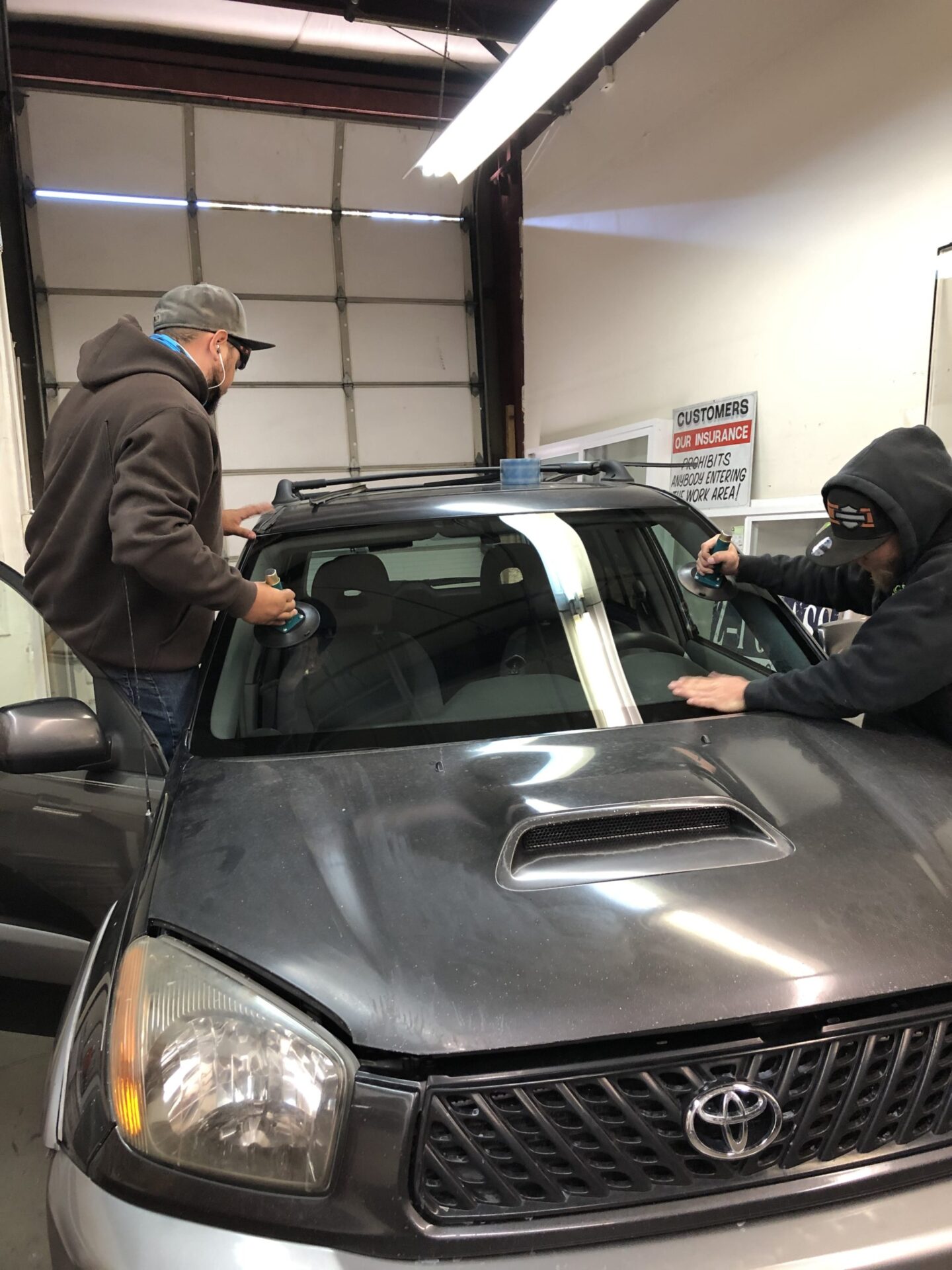
Auto glass plays a crucial role in ensuring road safety. In fact, It shields drivers and passengers from external elements, such as rain, wind, and debris. Not only…but also, Cracks or chips in auto glass can compromise the structural integrity of a vehicle.
Regular maintenance and prompt repairs are essential. Replacing damaged auto glass is vital for clear visibility and optimal safety.
A skilled technician can assess the severity of damage and determine whether repair or replacement is necessary. Equally important, modern auto glass is often treated to be shatter-resistant, providing additional safety in case of accidents. Correspondingly, it also contributes to a vehicle’s structural strength and overall safety features. Moreover, proper installation of auto glass is critical to avoid leaks and ensure a tight seal. Of course, auto glass replacement should only be done by certified professionals who have the expertise to ensure a precise fit and alignment. By the same token, when cracks or chips occur, addressing them promptly is key to preventing further damage and potential safety hazards.
Auto-glass damage can compromise the effectiveness of airbags and other safety systems.
Clear, undamaged auto glass is essential for a driver’s visibility and reaction time. Sunlight and glare can be hazardous if the auto glass is scratched or damaged. Regular cleaning and maintenance of auto glass are necessary to maintain clear visibility. Auto glass technology has evolved to incorporate advanced features like defrosting and rain-sensing wipers. Quality auto glass is designed to withstand extreme conditions and protect passengers in rollovers or collisions. In conclusion, auto glass is a vital safety component that requires proper maintenance and prompt attention to any damage. It should be entrusted to certified professionals to ensure optimal safety on the road. Visit our Facebook page and Feel free to give us a call for a free estimate.
Reno Glass Company Z1 Glass is located in the city of Reno at Address: 4910 Aircenter Circle Suite 107, Reno, NV 89502 (775) 786-4404
Glass repair in Reno
Glass repair services are essential for addressing various glass-related issues. Our professionals fix cracked windows, shattered mirrors, and damaged glass surfaces efficiently. In addition, we employ specialized techniques to restore glass to its original clarity and strength.
Technicians from Z-1 Glass will assess the extent of the damage before commencing repairs. Similarly, we utilize high-quality materials to ensure lasting results. Z-1 Glass repair experts possess a wealth of experience and knowledge in handling glass-related problems.
During the repair process, our skilled technicians will carefully remove any broken or damaged glass components, and then meticulously clean the area to ensure a seamless repair. The repaired glass looks as good as new, providing both functionality and aesthetics.
Glass repair in Reno from Z-1 Glass is not limited to homes and extends to automobiles and commercial spaces catering to various types of glass, from regular windows to custom-cut pieces.
Correspondingly, timely glass repair prevents further deterioration and potential safety hazards, saving clients money by avoiding costly replacements.
In conclusion, glass repair in Reno by Z-1 Glass is vital for maintaining the integrity and appearance of glass surfaces. Skilled technicians from Z-1 Glass use specialized techniques to restore damaged glass, ensuring both functionality and aesthetics. Whether it’s a cracked window or a shattered mirror, our professionals are equipped to handle a wide range of glass-related issues, preventing further damage and ensuring safety and savings for their clients.
Contact us today for a free estimate. 775-786-0440